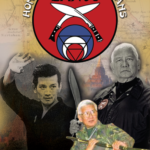
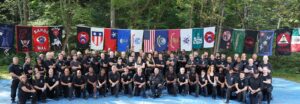
Bando (pronounced bun doe) is a multi-faceted martial art, with roots in China, Burma, and India. The system was brought to America in the late 1950’s by Maung Gyi (now Dr. U M. Gyi, (Grandmaster)) from Burma whle teaching at the Embassy of Burma in Washington, D.C. and who later formed the American Bando Association [ABA]. The ABA is a private, non-profit World War II veterans memorial martial arts organization- the only Martial Arts organization in the U.S., or in the world, whose primiary mission is to honor the CBI [China-Burma-India] veterans of WWII. The Korean War and the Vietnam War were added at a later date.
This Burmese art is practiced by a small group of dedicated students and teachers here in the U.S. under the direction of Dr. Maung Gyi.
The word "Bando" has been used in place of the concept of "THAING" or "BAMA THAING" for easy pronounciation and identification. The word BANDO is easily pronounced similar to the words Budo, Judo, Aikido, Karate-do, Tae Kwon Do, etc. When the American Bando Association was first established in the late 60's, the Burmese Thaing system was defined as the following subsystems:
1. Empty hand (Dhoe)- Lethway {Kick-boxing}, Bando Free-fighting.
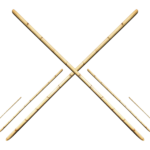
2. Stick Hand (Dhot) - Dhot Shay {Long Staff}, Pongyi Dhot {Medium Staff}, and Dhot Lay {Short Stick}
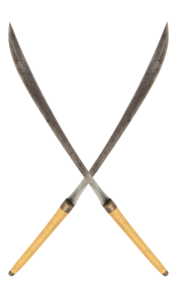
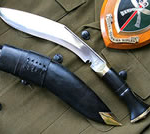
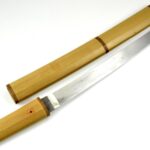
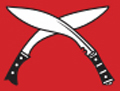
3. Sword Hand (Dha) - Min Dha {Long Sword}, Kukri {Burma Gurkha rifles}, and Dagger {3-24" blades}
Traditionally, Bando students are encouraged to learn and develop knowledge and skill in at least 3 areas, one from each subsystem. Instructors strongly encourage their students to attend National Bando clinics and seminars to expand their knowledge on the different sub-systems of Bando. Studying only one sub-system is inadequate and restrictive. As the old Bando saying goes, "One Finger Does Not Make the Fist."
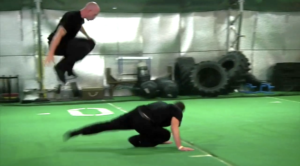
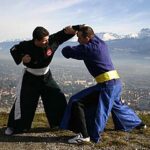
Bando is not Karate. The karate-like techniques of striking, kicking and butting are but a few of the aspects of the Free Hand Weapon of the Bando Discipline. Other aspects of the Free Hand Weapon of the Bando Discipline include grappling techniques of throws, trips, flips, holds, locks and chokes. In Burma, the Free Hand Weapon is traditionally called "Bando". Additionally, there are the aspects of the other Weapon Hands of the Bando Discipline- traditionally called "Banshay", such as stick fighting, sword fighting, knife fighting, spear fighting, gun fighting and combat archery. Both traditional "Bando" and "Banshay" are combined for our purposes into the Bando Discipline.
Today, the instruction of the Bando system through the American Bando Association is comprehensive, diverse, and eclectic with seven distinct sub-systems and areas of focus;
1.The Bando Free-Fighting division
2.The Bando Kick-boxing System
3.The Bando Weapons System
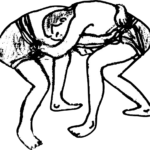
4.The Bando Naban (grappling) system
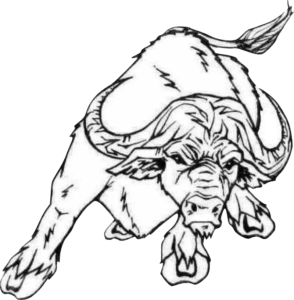
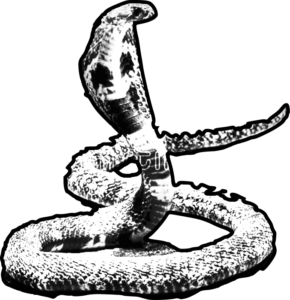
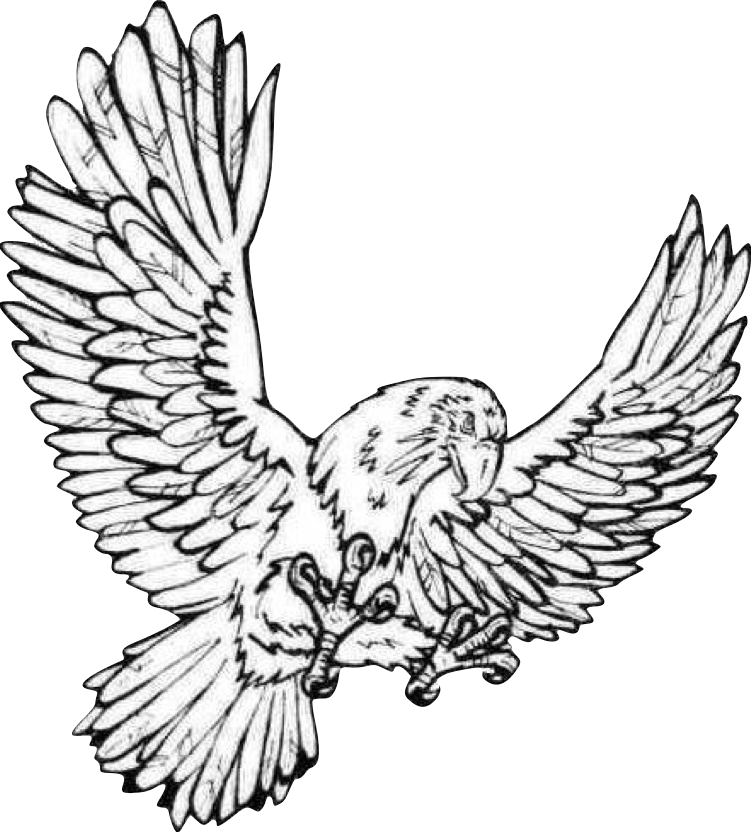
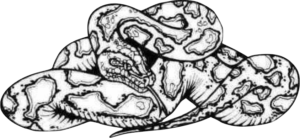
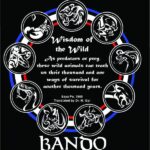
5.The Bando Animal Systems [9 different animals]
6.The Bando Monk System [non-violent system of martial arts]
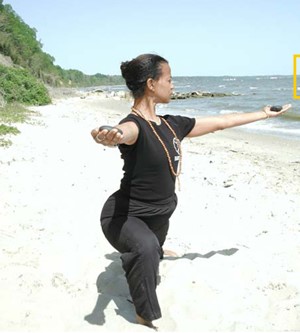
7.The Bando Yoga Systems [Letha, Dhanda & Longi].
For more information on these sub-systems please see the articles on these subsystems within the "About" tab to the left.
"As no one nation or people has the monopoly of the sunlight.
No one system, school or doctrine has the monopoly of the TRUTH".
- Bando Motto