What is Bando?
The word “BANDO” (pronounced “Bawn-Do”) is a multi-faceted martial art system, with roots in China, Burma, and India. Various etymologists express their views toward the word differently. Some say that it originated from the Chinese, while others claim that it came from India, and then there are those who propose that it can be traced back to Tibet.
The word “Bando” has been used in place of the concept of “THAING” or “BAMA THAING” for easy pronunciation and identification. The word BANDO is easily pronounced similar to the words Budo, Judo, Aikido, Karate-do, Tae Kwon Do, etc.
The word “Bando” has been used in place of the concept of “THAING” or “BAMA THAING” for easy pronunciation and identification. The word BANDO is easily pronounced similar to the words Budo, Judo, Aikido, Karate-do, Tae Kwon Do, etc.
There are also numerous interpretations of the term “Bando”. Different linguistic and ethnic groups define and interpret the word differently, and often some Bando schools emphasize only one aspect of the Bando Discipline, such as that of an empty-hand system.
Generally, the term “Bando” means:
- Art of Empty-hand Fighting or Combat
- System of Self-Defense
- Way of Disciplined Warrior
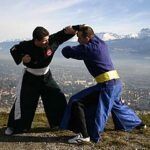
Bando is not Karate. The karate-like techniques of striking, kicking and butting are but a few of the aspects of the Free Hand Weapon of the Bando Discipline. Other aspects of the Free Hand Weapon of the Bando Discipline include grappling techniques of throws, trips, flips, holds, locks and chokes. In Myanmar [Burma], the Free Hand Weapon is traditionally called “Bando”. Additionally, there are the aspects of the other Weapon Hands of the Bando Discipline- traditionally called “Banshay”, such as stick fighting, sword fighting, knife fighting, spear fighting, gun fighting and combat archery. Both traditional “Bando” and “Banshay” are combined for our purposes into the Bando Discipline.
The Bando system is defined as the following subsystems:
DHOE (empty hand) – Lethway (Kick-boxing), Free-fighting
DHOT (stick hand) – Dhot Shay (long staff), Pongyi Dhot (medium Staff}, and Dhot Lay (short stick
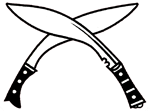
DHA (sword hand – Min Dha (long sword), Kukri (medium sword), and Dagger (short sword)
Traditionally, Bando students are encouraged to learn and develop knowledge and skill in at least 3 areas, one from each subsystem. Instructors strongly encourage their students to attend National Bando clinics and seminars to expand their knowledge on the different sub-systems of Bando. Studying only one sub-system is inadequate and restrictive.
As the old Bando saying goes, “One Finger Does Not Make the Fist.”
“As no one nation or people have the monopoly of the sunlight.
No one system, school or doctrine has the monopoly of the TRUTH”.
– Bando Motto
Honor the Legacy. Preserve the Art.
Join the American Bando Association in paying tribute to America’s veterans and keeping the ancient Hanthawaddy Bando martial tradition alive through discipline, respect, and unity.
Happy Clients
We’re proud to have earned glowing reviews from clients who love the quality and care we bring to every cleaning. Our reviews reflect the trust and confidence our clients place in us
David Leenson
“Absolutely thrilled with the services. The team arrived on time and left our home looking immaculate. Highly recommend for anyone needing reliable and thorough cleaning!"

David Leenson
"This company exceeded our expectations! From the friendly staff to the detailed cleaning, everything was perfect. Will definitely be using them again!"

David Leenson
"We've tried several cleaning services, and that company is by far the best. Quick response, same-day availability, and a sparkling clean home. Five stars!"